
Blog

Tips and Updates from Garcia Construction Plus

Practical advice on remodeling, materials, and home projects in New Jersey. New articles are added regularly to help you plan with confidence.

Articles

Latest from the Blog

Costos

How Much Does a Kitchen Remodel Cost in New Jersey?

Planning a kitchen remodel in New Jersey and wondering what it'll actually cost? You're not alone. The kitchen is one of the most popular rooms to renovate, and it's also one of the easiest to underestimate. The price of a kitchen remodel in New Jersey can swing widely, from a budget refresh to a full custom rebuild, and the final number depends on choices you make along the way. Cabinets, countertops, layout changes, appliances, and labor all add up fast. The good news is that once you understand what drives the cost, it's a lot easier to plan a budget that fits your home and your goals. In this guide, we'll break down what affects the price, share the typical ranges homeowners see in New Jersey, and show you where most of the money actually goes.

What Drives the Cost of a Kitchen Remodel

A few key factors decide whether your kitchen remodel lands on the low end or the high end. Size is the obvious one. A small galley kitchen takes less material and labor than a large open layout. After that, it comes down to scope. Are you keeping the existing layout, or moving plumbing and electrical to open things up? Moving walls, gas lines, or windows adds cost quickly. Materials matter just as much. Stock cabinets and laminate counters cost far less than custom cabinetry and stone. Appliances range from basic to high end, and that gap can be thousands of dollars. Finally, the condition behind your walls plays a role. Old wiring, water damage, or uneven floors can add work you can't see until demolition starts.

Typical Kitchen Remodel Price Ranges in New Jersey

Every kitchen is different, so treat these as general ranges, not quotes. A minor remodel, where you keep the layout and update cabinets, counters, and fixtures, is the most budget friendly option. A mid range remodel, with new cabinets, stone counters, better appliances, and some layout tweaks, sits in the middle and is what most homeowners choose. A major remodel, with a new layout, custom cabinetry, premium finishes, and moved plumbing or walls, lands at the high end. Where your project falls depends on the size of the kitchen and the choices above. New Jersey labor and material costs also tend to run higher than the national average, so it's smart to plan with that in mind. The only way to get a real figure is a detailed estimate on your actual space.

Where Your Kitchen Remodel Budget Goes

It helps to know how a kitchen budget usually breaks down. Cabinets are almost always the biggest single line item, since they cover a lot of space and drive the look of the room. Labor is the next big piece, covering demolition, installation, and all the trades involved. Countertops come next, and the material you pick, laminate, quartz, or natural stone, makes a real difference. After that, you have appliances, flooring, lighting, plumbing fixtures, and finishes like tile and paint. Permits and any structural work round things out. Understanding this breakdown helps you decide where to spend and where to save. If you love to cook, you might invest in appliances. If storage is the problem, custom cabinets may be worth it. A good contractor will help you prioritize.

How to Get an Accurate Kitchen Remodel Estimate

Online calculators and ballpark figures only get you so far. The real cost of your kitchen remodel comes from your actual space, your material choices, and the condition of your home. That's why a free, in person estimate is the best next step. At Garcia Construction Plus, we visit your home, measure the space, talk through your goals, and put everything in writing. You'll see the scope, the materials, and the timeline before any work starts, with no surprises later. As a licensed and insured contractor in New Jersey, we handle the full remodel with one team, so you're not chasing down subcontractors. If you're ready to find out what your kitchen will really cost, reach out for a free estimate today.

Frequently Asked Questions

Most kitchen remodels run a few weeks, depending on size and scope. A simple update is faster, while a full custom build with layout changes takes longer. We'll give you a clear timeline before we start.

It depends on the condition of what you have. If the layout works and the cabinets are solid, a remodel can save money. If everything is dated or damaged, a full replacement may be the better value.

Moving plumbing or walls, custom cabinetry, and high end appliances and counters drive the price up the most. Keeping your existing layout is one of the easiest ways to control cost.

Often, yes, especially if you're changing plumbing, electrical, or the layout. Requirements vary by town. A licensed contractor can pull the right permits and handle inspections for you.

Yes. Every estimate is free with no obligation. We'll visit your home, review your project, and send a written quote so you know exactly what to expect.
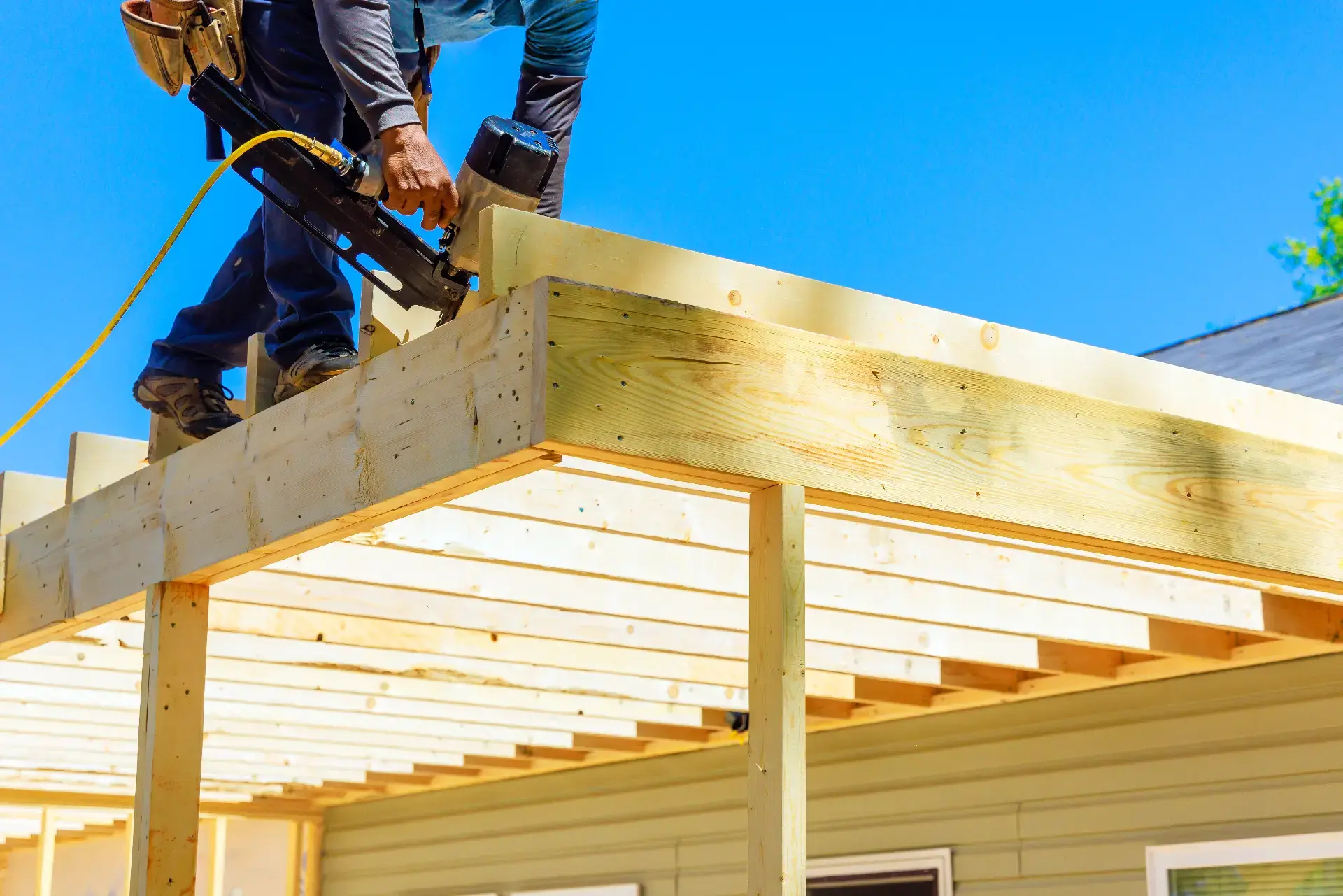
Worn wood deck needing repair in New Jersey Decision Guide

Deck Repair vs. Replacement: Which One Do You Need?

Your deck has seen better days, and now you're stuck on a question: do you repair it or replace it? It's a common dilemma for New Jersey homeowners, especially after years of hot summers, humid air, and freezing winters. The right call depends on how much damage there is, how old the deck is, and how much you want to spend now versus later. A quick repair might be all you need, or you could be pouring money into a structure that's near the end of its life. In this guide, we'll walk through the clear signs that point to a simple repair, the red flags that mean it's time to replace, and how cost and lifespan compare.

Signs Your Deck Just Needs Repairs

Not every worn deck needs to come down. If the damage is limited and the structure underneath is solid, repairs are often the smarter, cheaper choice. Look for surface level problems first. Loose or popped nails and screws, a few cracked or splintered boards, and railings that wiggle are usually easy fixes. Faded or peeling stain is cosmetic and just means it's time to reseal. Small areas of soft wood can sometimes be replaced board by board. The key is the framing below the surface. If the joists, beams, and posts are still strong and dry, the deck has good bones. In that case, swapping a few boards, tightening the hardware, and resealing the surface can give you several more good years without the cost of a full rebuild.

Signs It's Time to Replace Your Deck

Some problems go deeper than a quick fix. If you spot these, replacement is usually the safer bet. Soft, spongy, or rotting framing is the big one. When the joists, beams, or posts are failing, the whole structure is at risk, no matter how good the boards look on top. Widespread rot, large cracks, and wood that crumbles when you press it are clear warnings. Wobbly railings that won't tighten, posts that move, or a deck that sways when you walk on it point to structural trouble. Decks that were built poorly or without permits can also fail inspection and may need to come down. And if your deck is decades old and you're constantly repairing it, a replacement often costs less over time than chasing one problem after another.

Deck Repair vs. Replacement: Cost and Lifespan

Cost is where most people land their decision, so it helps to think long term, not just today. Repairs almost always cost less up front. If your deck is structurally sound, a repair is the budget friendly move and buys you time. But repairs add up. If you're fixing something every season, those costs can quietly pass what a new deck would have cost. A replacement is a bigger investment, but it resets the clock. You get a safe, modern deck with new materials and a long lifespan ahead. You can also upgrade to low maintenance composite that resists rot and fading. The rule of thumb is simple. If the structure is solid and the damage is minor, repair. If the framing is failing or the deck is near the end of its life, replace.

What New Jersey Weather Does to Your Deck

New Jersey is tough on outdoor wood. Hot, humid summers feed mold and speed up rot, while freezing winters bring freeze and thaw cycles that loosen fasteners and crack boards. Decks near the shore face salt air that wears down wood and hardware even faster. Rain and snow that sit on the surface soak into untreated or unsealed wood and cause damage from the inside out. This is why regular sealing matters so much here, and why footings need to be set below the frost line to stay stable. When you repair or replace a deck in New Jersey, the materials and the build have to handle this climate. That's the difference between a deck that lasts and one you're fixing again in a couple of years.

Frequently Asked Questions

Check the framing, posts, and railings for movement, softness, or rot. If the deck sways, the railings wobble, or the wood feels spongy, have it inspected before you use it. Those are signs of structural trouble.

With good care, many wood decks last around 10 to 15 years, sometimes longer. New Jersey's humidity and freeze and thaw cycles can shorten that, so regular sealing and quick repairs make a big difference.

For a lot of homeowners, yes. Composite costs more up front but resists rot, fading, and splinters and needs far less upkeep. Over the life of the deck, the lower maintenance can pay off.

Often, yes. If the framing is solid, we can replace damaged boards, tighten hardware, and reseal the surface without rebuilding the whole thing. We'll tell you honestly if a repair is enough.

Yes. We'll inspect your deck, explain your options, and give you a free written estimate. There's no obligation, and we'll always tell you whether repair or replacement makes more sense.

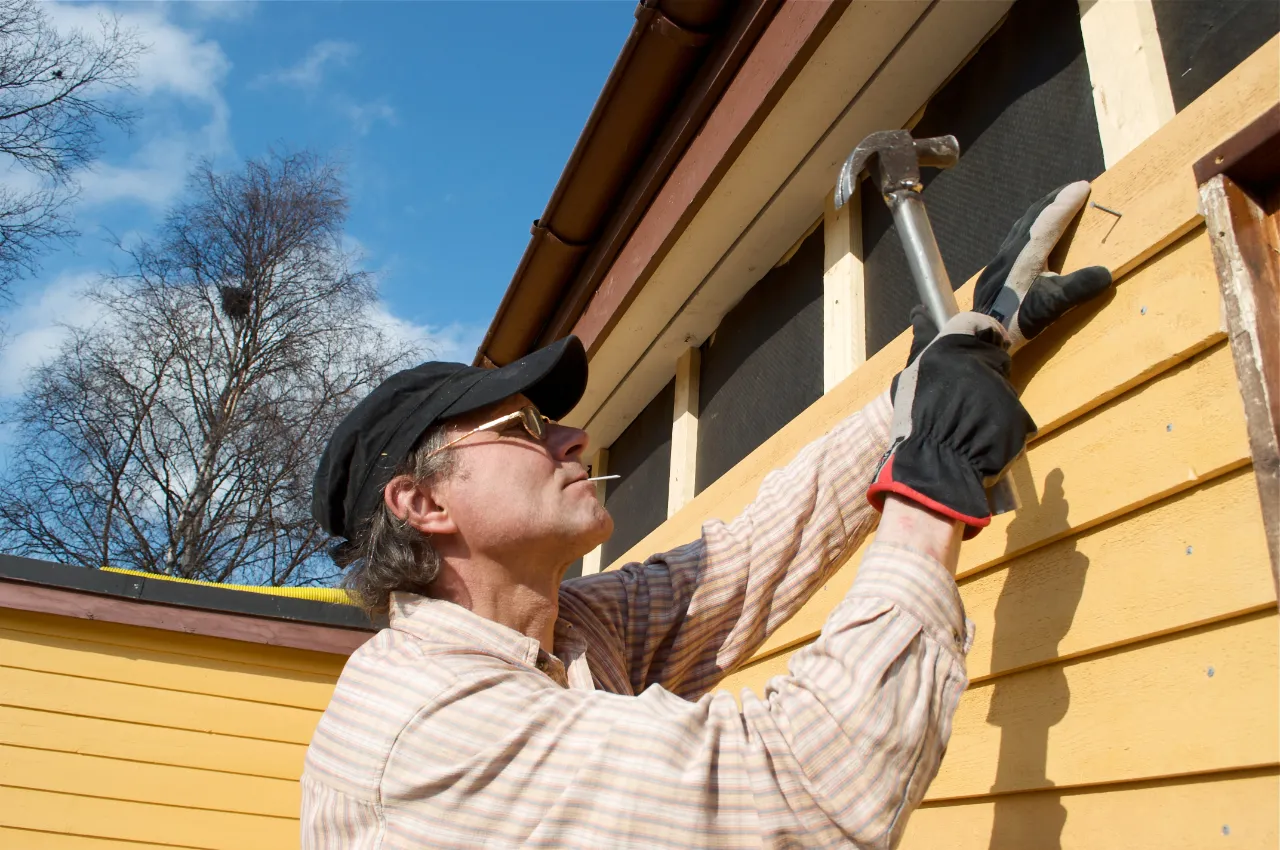
Siding installation on a New Jersey home FAQ

Do You Need a Permit for Siding in New Jersey?

Thinking about new siding and wondering if you need a permit in New Jersey? It's a fair question, and the answer trips up a lot of homeowners. Permits feel like red tape, but they exist to make sure work is done safely and to code. Skipping one can cause real headaches later, from failed inspections to problems when you sell the house. The short version is that siding work in New Jersey often does require a permit, but the rules vary from town to town. In this guide, we'll explain when a siding permit is usually required, why permits matter more than people think, who's responsible for pulling it, and what the process looks like.

Does Siding Work Require a Permit in New Jersey?

In most New Jersey towns, replacing your siding requires a permit, while small repairs sometimes do not. The exact rules come down to your local municipality, since building departments set their own requirements. As a general guide, a full siding replacement on your home usually needs a permit. Re siding an addition or changing materials often does too. Patching a small damaged section may not, but it's always worth checking first. Because the rules differ from one town to the next, the safest move is to confirm with your local building department before the work begins, or to hire a contractor who handles permits as part of the job. Guessing wrong can mean a stop work order or having to redo approved work, which costs far more than the permit itself.

Why a Siding Permit Matters

A permit isn't just paperwork. It protects you. When you pull a permit, the work gets inspected, which means a building official confirms the job meets code. That's real peace of mind when something is wrapping the outside of your home and keeping water out. Permits also matter at resale. Buyers and their inspectors often ask whether major work was permitted, and unpermitted siding can slow down or complicate a sale. There can be insurance implications too, if a claim involves work that was never approved. Finally, a permit keeps your contractor accountable to a standard, not just to a handshake. The small cost and short wait are well worth avoiding the bigger problems that come from skipping the process on a project this visible.

Who Pulls the Permit, You or the Contractor?

Technically, a homeowner can pull their own permit, but most people let their contractor handle it, and for good reason. A licensed contractor knows which permits a siding job needs, how to file the paperwork, and how to schedule inspections. They deal with the building department so you do not have to. When you hire a licensed and insured contractor in New Jersey, permits should be part of the conversation from the start. If a contractor suggests skipping the permit to save time or money, treat that as a red flag. It usually means the work won't be inspected, and you're the one left holding the risk. A reputable company builds permitting into the plan and the timeline from day one.

The Siding Permit Process, Step by Step

The process is more straightforward than it sounds. First, your contractor confirms with the local building department whether your siding project needs a permit and what it requires. Next, they submit the application, often with details about the materials and scope. Once the town approves it, the permit is issued and work can begin. During or after the job, an inspector checks the work to confirm it meets code. When everything passes, the permit is closed out and you are done. From start to finish, this usually adds only a small amount of time, and a good contractor builds it into the schedule so it doesn't slow your project down. The result is siding that's done right, inspected, and on the record.

Frequently Asked Questions

Not always, but full replacements usually do, and small repairs sometimes don't. Since rules vary by town, check with your local building department or let your contractor confirm before the work starts.

You risk a stop work order, fines, and having to redo work that wasn't approved. Unpermitted siding can also cause problems when you sell or file an insurance claim. It's not worth the shortcut.

There's usually a permit fee, and many contractors include it in the estimate. It's a small part of the overall cost, and it buys you an inspected, code compliant job.

Yes, and most do. A licensed contractor knows what's required, files the paperwork, and schedules inspections. We handle permitting as part of the siding job so you don't have to.

Yes. We'll look at your home, talk through materials, and give you a free written estimate. We'll also explain any permits your siding project will need.

Ready to Start Your Project?

Garcia Construction Plus gives free, written estimates from a licensed, insured contractor in New Jersey. No pressure, no obligation.